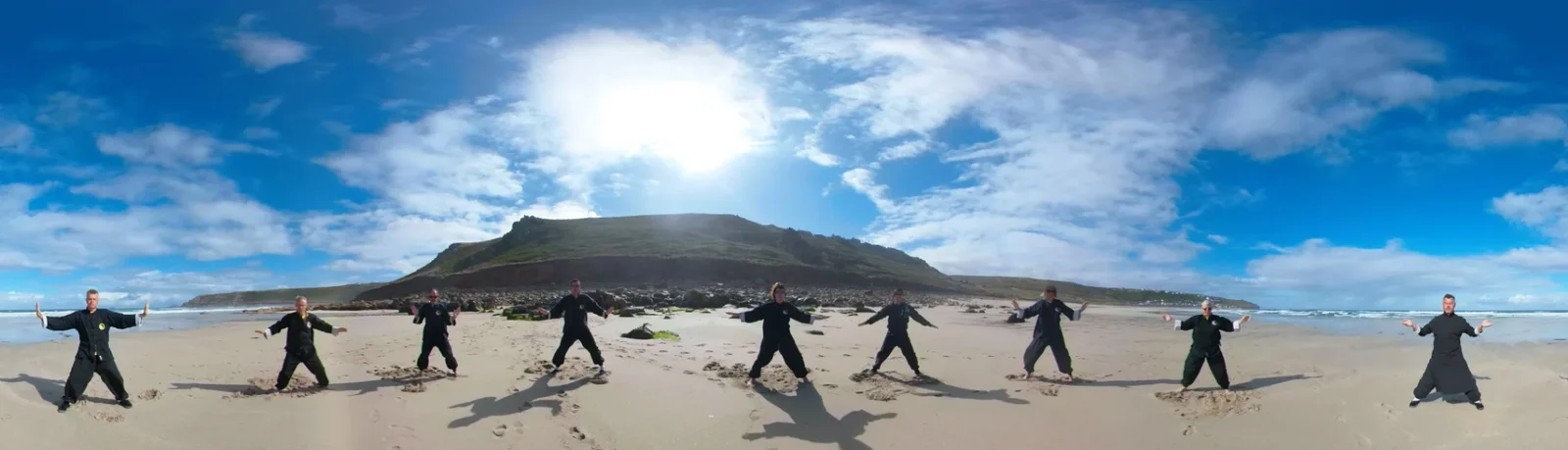
Tai Chi in Falmouth: a new term starts this October.
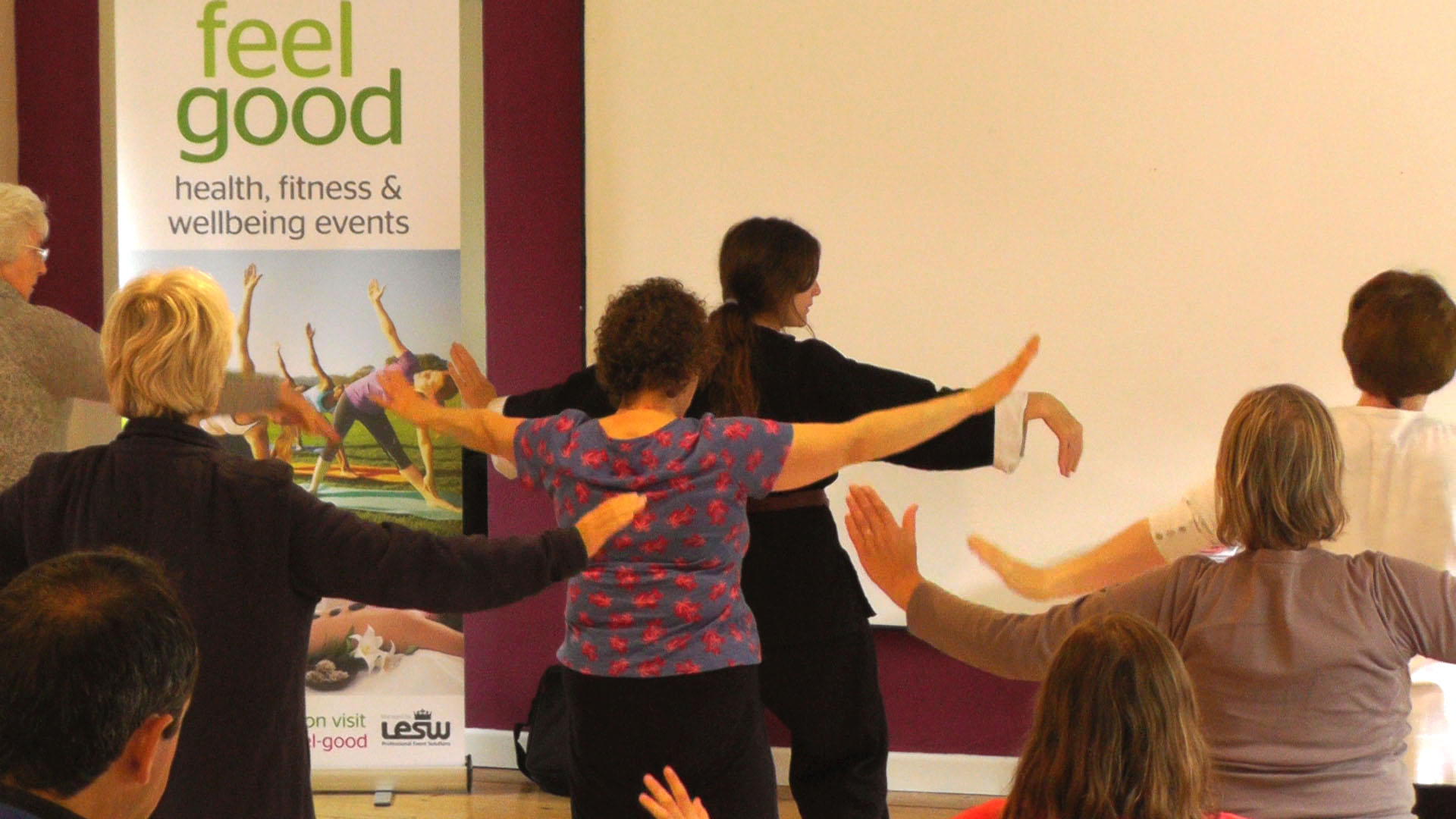
If you’ve been meaning to try Tai Chi, this is a good moment. Our Falmouth Tai Chi Club starts a new ten-week term this Wednesday evening, and everyone is welcome, whether you’re a student, a beginner, or coming back after a break.
Why start Tai Chi?
Tai Chi is slow, gentle movement with relaxed breathing, sometimes called moving meditation. It’s low-impact, so you don’t need to be fit or flexible to begin. Many people find it:
helps them unwind after a long day or a heavy week of study
improves balance, posture and flexibility
leaves them feeling calmer, with more energy
gives them a regular evening in good company
It suits all ages and fitness levels. It’s especially good for students, because it fits around a busy timetable and gives you a proper break from the screen.
The details
When: Wednesdays, 7-8:30pm
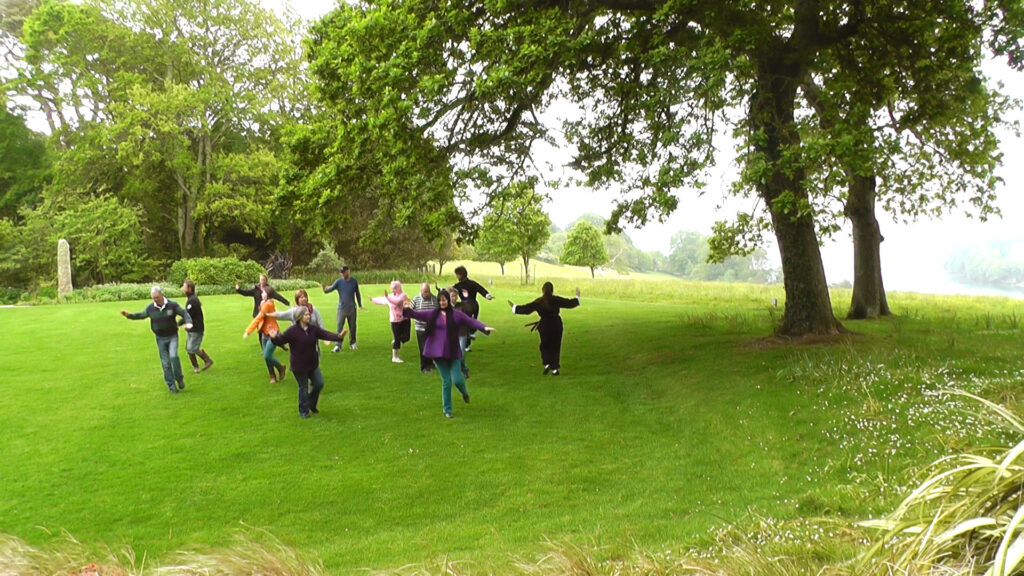
Where: Falmouth Primary Academy, Jubilee Road, Falmouth, TR11 2BB (there’s a car park, and a field when the weather is warmer)
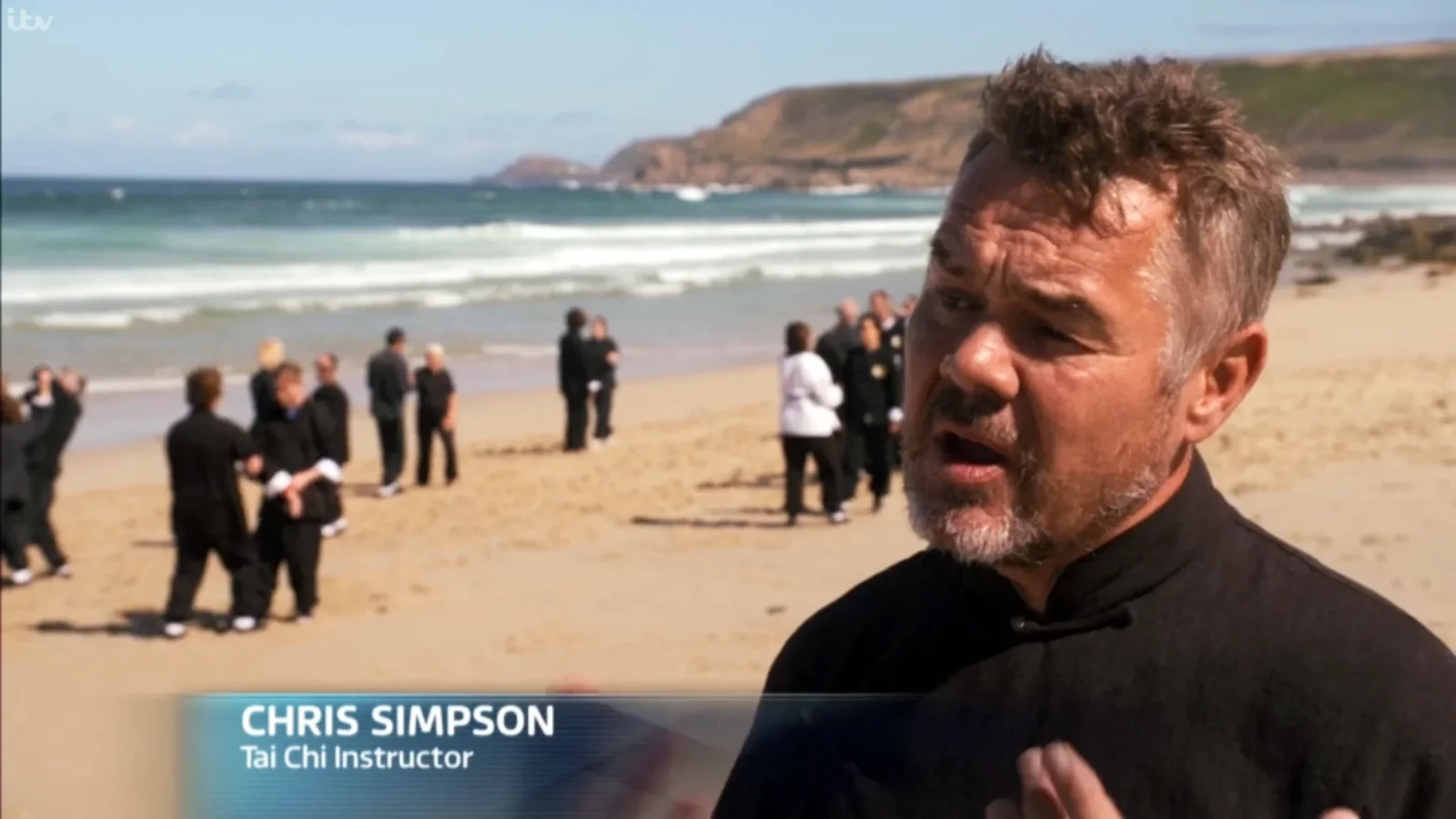
Taught by: Chris and Rachel and James, who have run many clubs between them
What to wear: comfortable clothes and flat shoes
Tried it and want to stay? You can carry on to the end of the term at a reduced price.
The longer you stay, the less you pay.
Ready to commit? Join the term.
Join part-way through and pay only for the classes still to come. Four months’ TCAA membership is included.
Qi is a fundamental concept in Chinese culture and traditional medicine. Everything is composed of Qi, solids, liquids, gasses, rarefied energy forms like electromagnetism, light, and plasma, in fact, the entire Universe is composed of Qi.
However, the kind of Qi that is of primary importance in Tai Chi is your own personal Qi which can be thought of as a kind of battery pack inside you that is constantly supplying your body mind, and spirit with energy. This is the Qi that is referred to in the Nejing or Yellow Emperor’s classic of internal medicine, the classic of ancient Chinese medicine, often translated as “life force” or “vital energy. and is the vital essence of all living things. According to traditional Chinese medicine, Qi flows through the body along specific pathways known as jingluo (经络) or meridians which are associated with the internal organs. Qi is also stored in vessels throughout the body that act as reservoirs or energy buffers. When Qi is flowing freely, a person is healthy and balanced. When Qi is blocked or deficient, mental, physical and spiritual illness and disease can occur.
In Tai Chi, Qi is often described as the energy that powers the movements of the body. It flows through the body in a smooth and continuous manner, creating a sense of internal harmony and balance. One of the most important aspects of Tai Chi practice is to cultivate and harmonize Qi, allowing it to flow freely throughout the body
The Three Treasures
In traditional Chinese medicine, Jing, Qi and Shen are three fundamental substances known as The Three Treasures.
Jing is the stored essence of the body, including the bones marrow, and reproductive fluids. Jing is stored in the kidneys and can also be found in the bone marrow, the brain, and the energy meridians, especially the extraordinary vessels or eight extra meridians which act as buffers or reservoirs of Qi.
Qi is ruled by the lungs, it is derived from Clean air Qi, Food Qi, and Ancestral Qi also known as kidney Yin or Jing (Essence). The lungs also produce Wei Qi which is a special layer of defensive Qi that protects the outer surface of the body from invasion by pathogenic factors.
Shen is the spirit or consciousness, including emotions, thoughts, and perceptions. Shen is stored in the Heart and is composed of five Shens, each of which resides in a particular organ. These five aspects of Shen are associated with the five elements (water wood, fire, earth, and metal) and have emotional qualities that correspond to each element. For example, the Shen associated with the Liver is associated with the Wood element and influences emotions such as anger, frustration, and creativity. Similarly, the Shen associated with the Kidneys is associated with the Water element and influences emotions such as fear, anxiety, and willpower.
The three treasures are intimately connected, and each one affects the others. For example, when Jing is strong and healthy, it can support the cultivation of Qi and Shen. When Qi is flowing freely, it can nourish Jing and support the health of the body. When Shen is calm and peaceful, it can help to harmonize Qi and Jing.
In Tai Chi, the cultivation of Qi is seen as a way to harmonize and balance all three treasures, leading to improved health and well-being.
Cultivating Qi
There are many ways to cultivate Qi in Tai Chi practice. Here are some key principles to keep in mind:
Relaxation: Tai Chi and Qigong movements should be performed in a relaxed and fluid manner. The body should be relaxed but also the mind. Avoiding using force or muscle power. Tension in the body can block the flow of Qi, so it is important to let go of any unnecessary tension.
Breathing exercises: The breath is closely connected to Qi. In Tai Chi, the breath should be slow, deep, and relaxed, with an emphasis on exhaling fully to release stale air and toxins from the body. Deep breathing expands the lung capacity and the lungs draw energy into the body from the air so more capacity means more Qi. Also, deep breathing stimulates and massages the internal organs and this improves their ability to supply Qi.
Concentration: Tai Chi is often described as a moving meditation. It is important to focus the mind on the movements and sensations of the body, allowing distractions to fade away. Where the mind goes the Qi follows so concentrating on the Tai Chi movements helps guide Qi around the body and improves the blood flow.
Chang Ming Taoist diet – Eating fresh, organically grown whole foods that are in season and are high in nutrients can nourish the body and promote healthy qi. Some foods tax the digestive system and so less Qi is then derived from food. So junk foods, processed foods, additives, flavourings, colourings and preservatives all create a toxic residue in your body and it takes energy to eliminate it. These toxins also clog up the meridians, the organs and the blood vessels and so prevent Qi from flowing. Overeating increases obesity and this means carrying more weight around. The increase in body size means blood has to flow further and work harder to keep everything supplied with energy so only eat the necessary amounts and don’t overeat. Food is meant to supply the body with Qi and not as a form of entertainment.
Massage – Anmo is a type of energy meridian massage we use in our Health and Massage classes. The internal organs create Qi in the body from three sources, Food Qi, Clean air Qi, and ancestral Qi which is stored in the body and inherited from our forebears. The energy meridians are connected to the organs and massaging them stimulates the energy flow from the meridian and around the body. Also loosening up the muscles and tendons helps Qi and blood to reach every part of the body, blood flow is important too because Qi is also contained in the blood.
Emotions – In Chinese medicine emotions are a cause of imbalance in the organs. Suppressed emotions can build up in the body and cause problems when they resurface later on. Also, excessive emotions damage the organs and make the energy flow erratic. Recognizing the causes of emotional outbursts and learning relaxation technigues to balance emotional states will improve the storage of Qi.
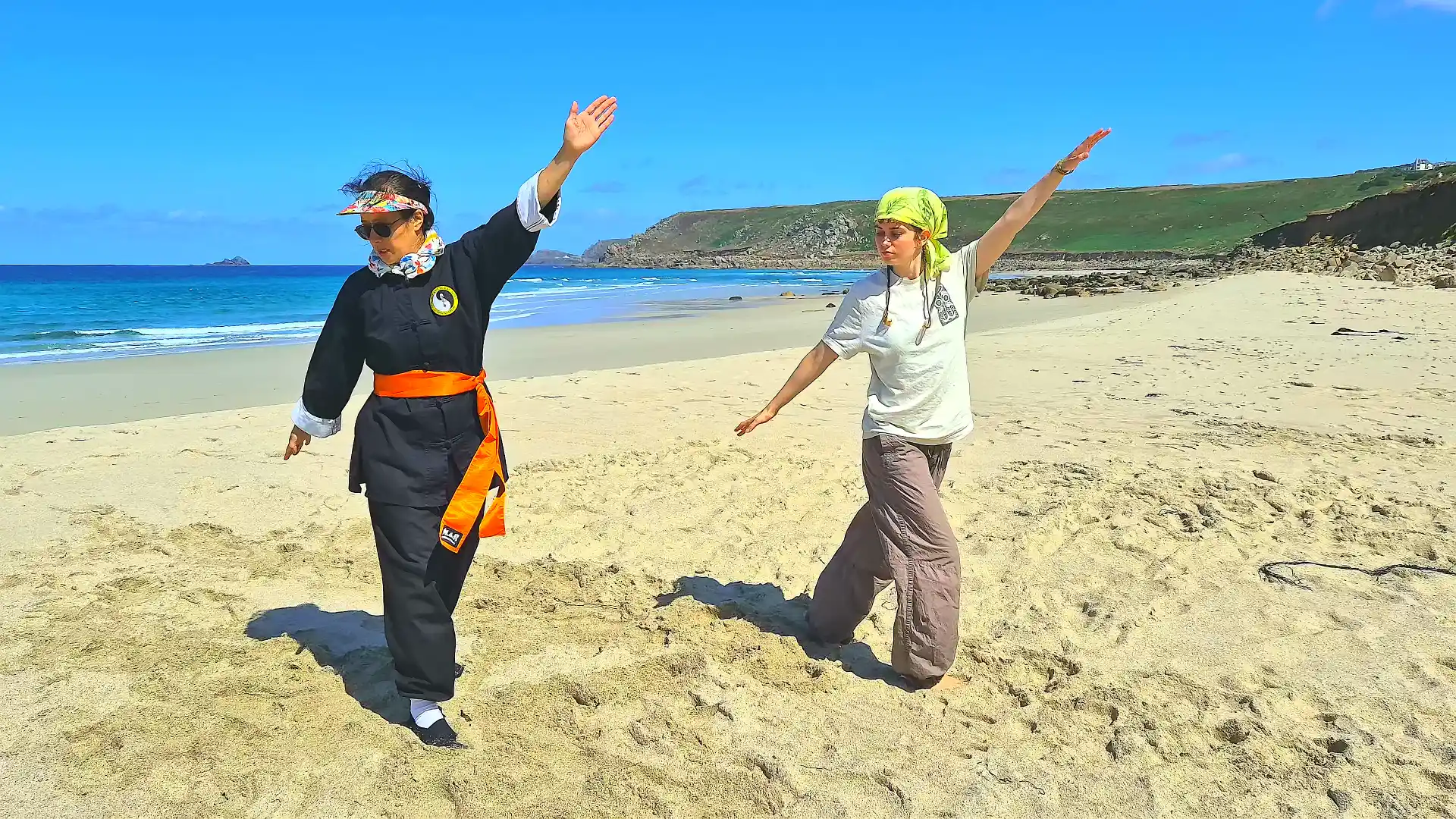
Nature. For maximum Qi development do Tai Chi outside, preferably under a tree, this is where there is more Li or macrocosmic energy available to be absorbed and mixed with your own personal Qi. There is Qi that flows through your body from external sources, it comes up from the Earth and also down from the Sky above your head. If you stay indoors a lot you will find this supplementary energy gets masked and you get sick and run down more often.
Benefits of Cultivating Qi in Tai Chi Practice
Cultivating Qi in Tai Chi practice can have many benefits for your physical, mental, and emotional health. Here are just a few examples:
Improved Energy: When Qi is flowing freely, it can increase energy levels and reduce fatigue.
Reduced Stress: Tai Chi practice has been shown to reduce stress and anxiety, which can be beneficial for overall health and well-being.
Improved Balance: Tai Chi movements are slow and deliberate,
especially in older adults.
Enhanced Immune Function: Cultivating Qi can boost the immune system, helping to prevent illness and disease.
In conclusion, the cultivation of Qi is an essential element of Tai Chi practice. Cultivating Qi can improve physical, mental, and emotional health, and is a key factor in the overall benefits of Tai Chi. By incorporating principles such as relaxation, breath control, mindfulness, and visualization into your Tai Chi practice, you can enhance the flow of Qi throughout your body and reap the many benefits that come with it.
If you’re interested in learning more about Tai Chi and how to cultivate Qi, consider joining a Tai Chi class. A skilled instructor can guide you through the movements and help you develop a deeper understanding of the role of Qi in Tai Chi practice. With regular practice and dedication, you can unlock the power of Qi and experience the many benefits that Tai Chi has to offer.
Tai Chi is a series of slow, flowing movements done one after another without stopping. Watched from the outside it looks gentle and unhurried, but it works the whole body: legs, back, joints, breathing and attention all together. Anyone can learn it, young or old and fit or not, because you work at your own pace and nothing is forced.
Where does it come from?
Tai Chi grew up in China. Legend credits a Taoist hermit called Zhang Sanfeng, said to have watched a crane and a snake fighting in the Wudang Mountains. The first written records point to the Chen family village in Henan province in the 1600s. In the 1800s a man named Yang Luchan learned the art there and took it to Beijing. From Beijing it spread across China and later the rest of the world. Today millions of people practise it, from parks in Shanghai to village halls in Cornwall.
Its roots are in Taoism, an old Chinese way of looking at life that values balance, simplicity and going with the grain of nature rather than against it. You can see this in the idea of Yin and Yang, two opposites that need each other: soft and firm, rising and sinking, stillness and movement. Every Tai Chi movement swaps between the two. The Taoists also talked about Wu Wei, which means doing things without strain. In practice you learn to move with less effort and less tension, and that tends to carry over into everyday life.
How does it work?
Chinese medicine describes the body’s life energy as Qi (said “chee”). When Qi and blood flow freely, the body stays healthy. When they get stuck, problems follow. The slow, steady movements of Tai Chi, together with relaxed breathing, are meant to keep that flow going and nourish the whole body from the inside.
You don’t need to take the Chinese view on board to feel the effects. The weight shifts from leg to leg and builds strength. The turning and stretching loosen stiff joints. The steady pace calms the breathing and settles the nervous system.
What are the benefits?
People come to Tai Chi for different reasons, and the benefits tend to grow the longer you keep at it. Regular practice can help with:
Balance and steadiness. Studies show Tai Chi cuts the risk of falls in older people. That’s one reason the NHS recommends it.
Stiff joints and aches. It’s gentle enough for people with arthritis and long-term back or knee trouble.
Strength and posture. Your legs get stronger, your back gets straighter, and you move more freely.
Stress and sleep. Many people find they feel calmer, sleep better and think more clearly.
Heart and circulation. Research links it to lower blood pressure and better general fitness.
Part of a family
Tai Chi belongs to a group known as the internal arts of China, along with Qigong and Bagua. They’re called “internal” because the focus is on what happens inside: breathing, relaxation, and the connection between mind and body. Strength and speed matter less. Many people practise them well into old age for exactly that reason.
Come and give it a try
You don’t need any experience, special kit or a particular level of fitness, just comfortable clothes and flat shoes. We run friendly local clubs in Truro, Falmouth and St Agnes, and newcomers are always welcome. Come along, try a class and see how it suits you.